
Introduction
Planning a wildlife trip in India often brings one destination to mind—Jim Corbett Tiger Reserve. Tucked away in the foothills of the Himalayas, this famous reserve offers something that few places can match: a true jungle experience.
When I first started researching the park, I quickly realized that a simple day trip wouldn’t do justice to its vast forests and wildlife diversity. That is exactly why this Jim Corbett Tiger Reserve Travel Guide exists—to help travelers understand what makes the reserve special and how to experience it properly.
From thrilling jeep safaris to peaceful rivers flowing through dense forest, visiting Jim Corbett feels like stepping into a completely different world. This Jim Corbett Tiger Reserve Travel Guide will walk you through everything you need to know before planning your visit.
Where is Jim Corbett Tiger Reserve Located?
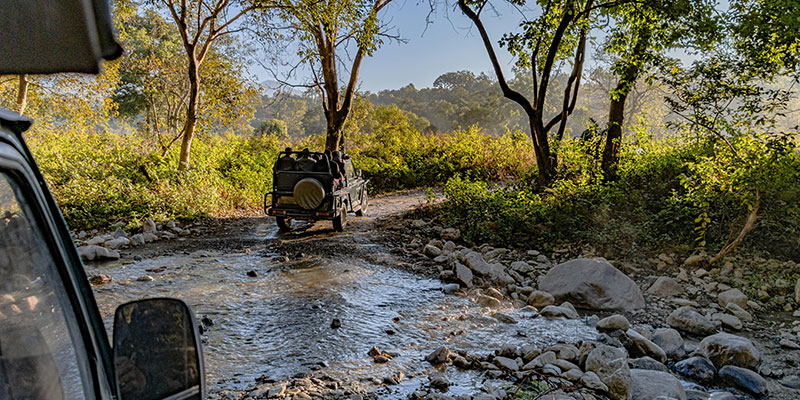
Jim Corbett Tiger Reserve is located in the northern Indian state of Uttarakhand. The nearest town is Ramnagar, which acts as the main gateway for visitors entering the park.
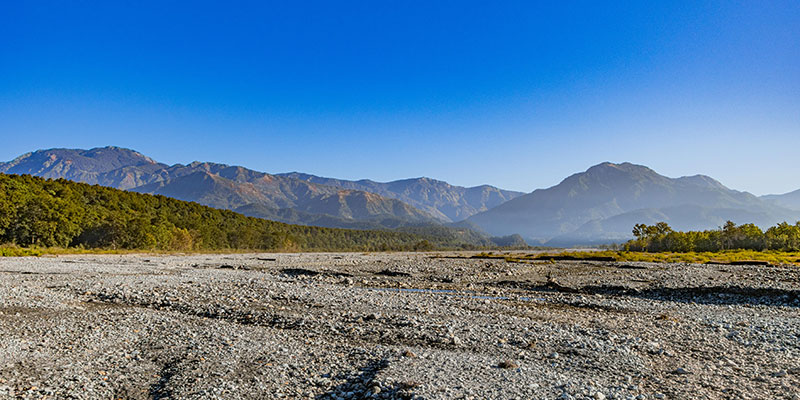
The reserve sits at the base of the Himalayan mountain range. The area around the reserve is surprisingly diverse. Within a short distance you can see riverbeds, dense sal forests, open grasslands, and rolling foothills of the Himalayas.
According to this Jim Corbett Tiger Reserve Travel Guide, the reserve covers more than 500 square kilometers, making it one of the largest and most diverse wildlife areas in India. The famous Ramganga River flows through the park and plays an important role in supporting wildlife.
Travelers arriving here often notice something immediately—the air feels different. The sounds of traffic disappear and are replaced by birds, insects, and rustling leaves.
Why Jim Corbett Tiger Reserve is So Special
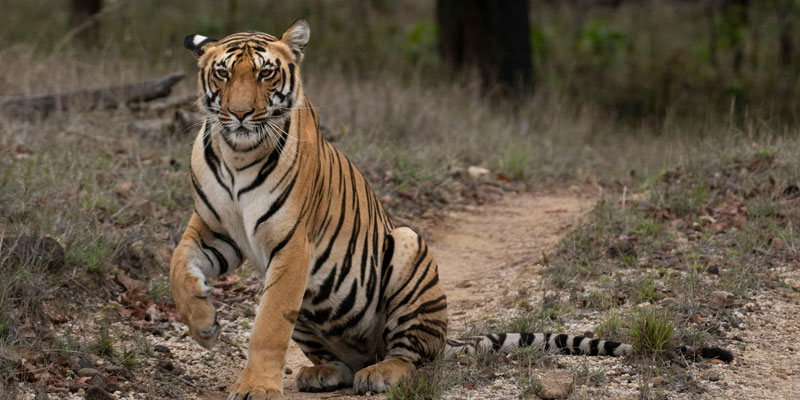
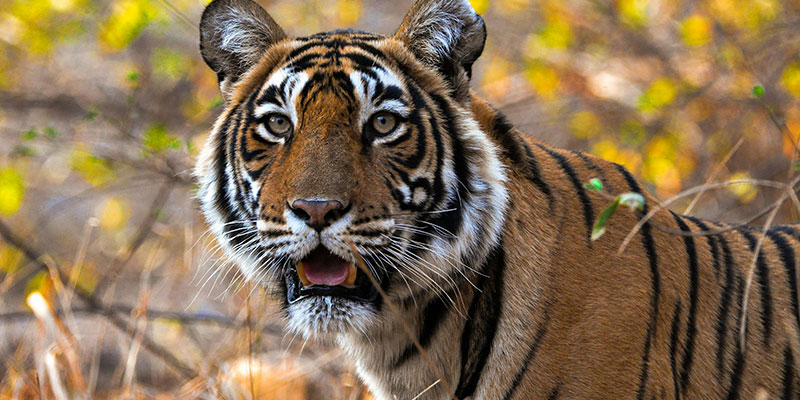
Many national parks in India offer wildlife sightings, but Jim Corbett Tiger Reserve has something unique about it. The reserve is not just about tigers—it is about the entire ecosystem.
While exploring the forest, you may encounter a variety of animals including:
- Bengal tigers
- Asian elephants
- Leopards
- Sambar deer
- Spotted deer
- Wild boars
This Jim Corbett Tiger Reserve Travel Guide also highlights another important fact: the park is home to more than 600 species of birds. Because of this, bird watchers travel here from across the world.
One of the most memorable parts of visiting the reserve is how unpredictable the forest feels. Every safari brings a new experience.
Safari Experience in Jim Corbett Tiger Reserve
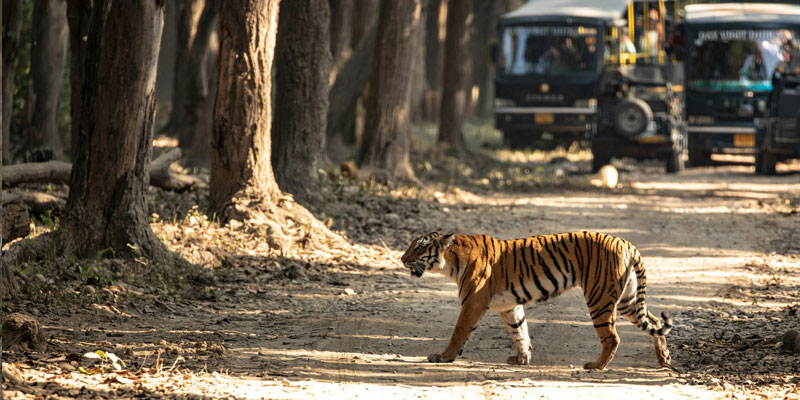
The safari is the heart of any visit to Jim Corbett. Most travelers wake up early in the morning to join a jeep safari that takes them deep into the forest.
As explained in this Jim Corbett Tiger Reserve Travel Guide, safaris are conducted in specific zones inside the reserve. Each zone has its own landscape and wildlife patterns.
Dhikala Zone
Dhikala is considered the most famous zone of the reserve. Wide grasslands and river views make this area ideal for wildlife sightings.
Bijrani Zone
Bijrani is popular among photographers because of its open forest areas and frequent animal activity.
Jhirna Zone
Jhirna remains open throughout the year and often offers sightings of wild boars and deer.
Dhela Zone
Dhela is a relatively new safari zone, but travelers enjoy it because the landscape feels raw, quiet, and less crowded than some of the older zones.
This Jim Corbett Tiger Reserve Travel Guide recommends booking safari permits in advance, especially during peak travel months.
Best Time to Visit Jim Corbett Tiger Reserve
Choosing the right season can greatly improve your wildlife experience.
Winter (November to February)
Winter offers comfortable weather and pleasant jungle conditions. Morning safaris can feel chilly but wildlife sightings are common.
Summer (March to June)
Summer is often the best time to spot tigers. As temperatures rise, animals gather near water sources.
This Jim Corbett Tiger Reserve Travel Guide suggests early morning safaris during summer for the best chances of seeing wildlife.
Monsoon (July to September)
During monsoon months, several zones remain closed due to heavy rainfall. However, the forest becomes incredibly lush and green.
Your Guide to Reaching Corbett’s Entry Gates
Things to Do Around Jim Corbett Tiger Reserve
Although safaris are the main attraction, there are several other experiences visitors can enjoy around the reserve.
Bird Watching
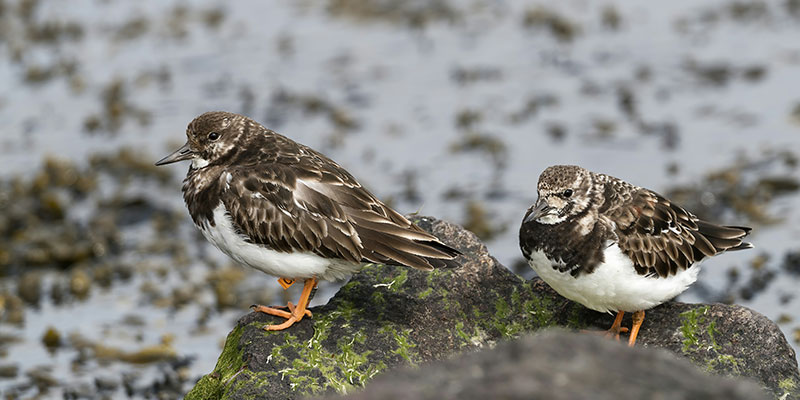
The reserve is one of the best places in India for bird watching. Early mornings are perfect for spotting rare bird species.
Nature Walks
Some resorts organize guided nature walks around forest edges where visitors can learn about plants and wildlife.
Photography
Wildlife photography is incredibly popular here. Even if you don’t see a tiger, the forest landscapes are beautiful to capture.
Explore Local Villages
Nearby villages offer a glimpse into local life in Uttarakhand. Exploring nearby villages also gives travelers a glimpse of local life, where small roadside shops and homemade Uttarakhand dishes make the visit feel more authentic.
This Jim Corbett Tiger Reserve Travel Guide encourages travelers to explore beyond just the safari zones.
Travel Tips for Visiting Jim Corbett Tiger Reserve
Planning ahead can make your trip far more enjoyable. Here are some simple tips that experienced travelers follow.
- Book safari permits early because daily visitor numbers are limited.
- Wear neutral colored clothing such as green or brown.
- Carry binoculars for better wildlife viewing.
- Avoid loud conversations during the safari.
- Follow instructions given by forest guides.
These practical suggestions included in this Jim Corbett Tiger Reserve Travel Guide can make your visit smoother and safer.
If you are planning to book a safari permit or stay inside the forest area, it is always best to use the official government website. Visitors can book jeep safaris, canter safaris, and forest rest house stays through the official Jim Corbett National Park booking portal. Using the official site ensures that you get genuine permits and updated availability. You can check availability and make bookings on the official website: Jim Corbett National Park Official Booking Website.
Conclusion
Jim Corbett Tiger Reserve is more than just a wildlife destination. It is a place where nature still feels wild and untouched.
Watching the sunrise over the forest, listening to birds calling from tall trees, and driving through quiet jungle roads creates an experience that stays with you long after the trip ends.
If you enjoy nature, photography, or simply the thrill of exploring forests, this Jim Corbett Tiger Reserve Travel Guide can help you plan a trip that you will remember for years.
FAQs
Q1: Are tiger sightings common in Jim Corbett National Park?
Ans :Yes, the reserve is one of the best places in India to see Bengal tigers, although sightings depend on luck and safari timing.
Q2: How many safari zones are there in Jim Corbett Tiger Reserve?
Ans :The reserve has multiple zones including Dhikala, Bijrani, Jhirna, and Dhela.
Q3: How many days are enough to explore Jim Corbett Tiger Reserve?
Ans :Most travelers spend two to three days exploring the reserve and enjoying multiple safaris.
Q4: Do safaris need to be booked in advance?
Ans :Yes, safari permits should be booked in advance because the number of vehicles allowed each day is limited.