
Introduction
Exploring different parts of India often feels like walking through centuries of history. This Hampi Travel Guide will help you understand why this ancient city attracts travelers from around the world.
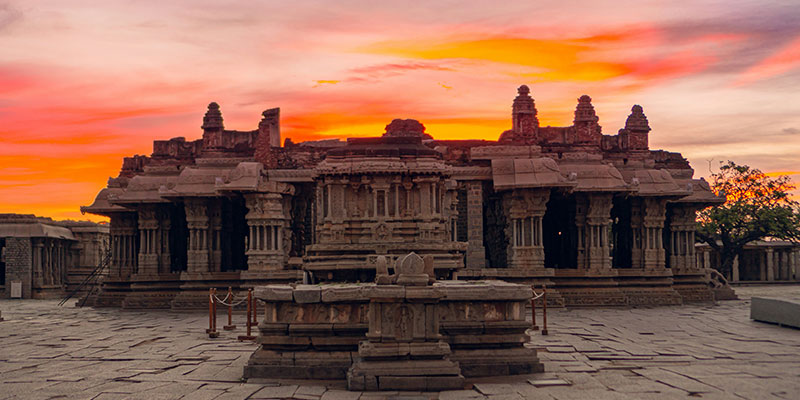
When I first arrived in Hampi, I remember feeling amazed by the atmosphere. Massive boulders, ancient temples, and quiet rivers create a landscape that feels almost unreal. Walking through the ruins gives you the feeling that the past is still present.
In this Hampi Travel Guide, I’ll share what makes this heritage site so special, what you should explore when you visit, and some practical travel tips that can help you plan your trip more easily.
Hampi has been recognised as a UNESCO World Heritage Site because of its historical importance. You can learn more about the site on the official
UNESCO World Heritage page.
Where is Hampi Located?
Hampi is located in the southern state of Karnataka in India. It lies on the banks of the Tungabhadra River and is about 350 kilometers from Bangalore.
This small village was once the capital of the powerful Vijayanagara Empire. During the 14th to 16th centuries, the city was one of the richest and most important trading centers in the world.
Today, the remains of that glorious past still exist in the form of temples, palaces, markets, and stone structures spread across a large area.
As this Hampi Travel Guide explains, the entire region has been recognized as a UNESCO World Heritage Site because of its historical and architectural importance.
The Historical Importance of Hampi
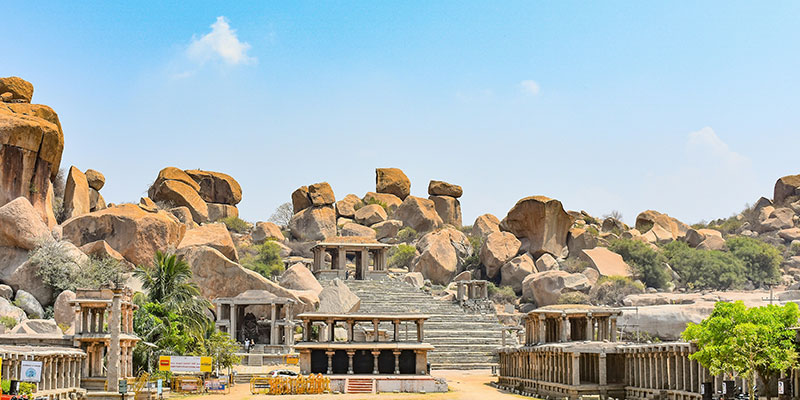
One of the most interesting parts of visiting Hampi is learning about its history. At its peak, the Vijayanagara Empire controlled a large part of southern India and was known for its wealth and cultural achievements.
Travelers from different parts of the world once described Hampi as a city filled with grand markets, magnificent temples, and beautiful buildings.
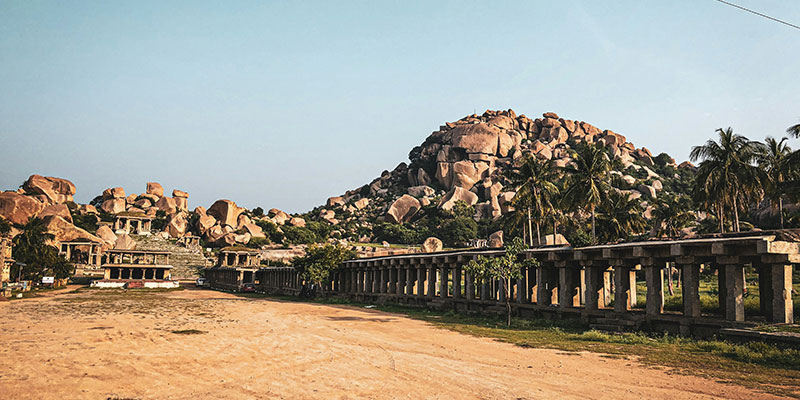
Although much of the city was destroyed after the fall of the empire in the 16th century, the ruins that remain still show how impressive the city must have been.
This Hampi Travel Guide reminds visitors that every stone structure here tells a story from centuries ago.
Must-Visit Places in Hampi
According to this Hampi Travel Guide, these landmarks represent the most important attractions visitors should explore while traveling in the region.
Virupaksha Temple
Virupaksha Temple is one of the most important landmarks in Hampi. It is also one of the few temples that is still actively used for worship.
The tall temple tower can be seen from far away, and the carvings on the walls show incredible craftsmanship.
Vittala Temple
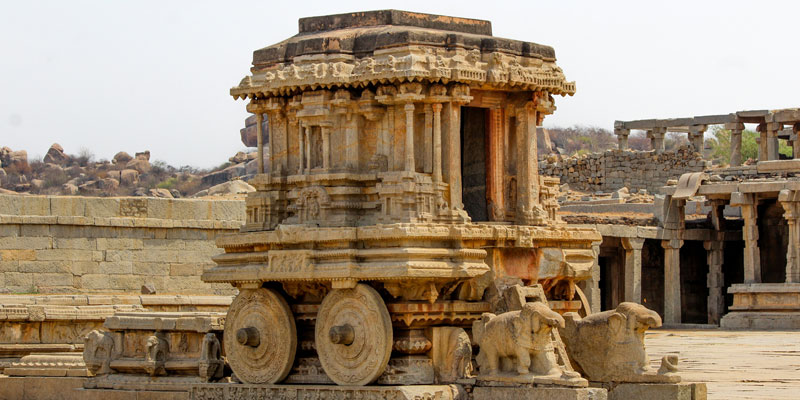
The Vittala Temple complex is famous for its iconic stone chariot. This structure has become one of the most recognized symbols of Hampi.
The temple is also known for its musical pillars that produce different sounds when tapped.
Lotus Mahal
Located inside the royal enclosure, Lotus Mahal is a beautiful structure that combines both Hindu and Islamic architectural styles.
Its elegant arches and symmetrical design make it one of the most photographed buildings in Hampi.
Hampi Bazaar
Hampi Bazaar was once a busy marketplace where traders from around the world sold precious goods.
Today, the long street of stone structures gives visitors a glimpse into what the marketplace might have looked like centuries ago.
Best Time to Visit Hampi
Winter (October to February)
Winter is considered the best time to explore Hampi. The weather remains pleasant, making it easier to walk around the ruins and temples.
Summer (March to May)
Summers in Hampi can be quite hot. If you visit during this time, it is better to explore early in the morning or later in the evening.
Monsoon (June to September)
During the monsoon season, the surrounding landscape becomes greener and more refreshing. However, occasional rain may affect sightseeing plans.
Exploring the Landscape Around Hampi
One of the unique features mentioned in this Hampi Travel Guide is the dramatic rocky landscape that surrounds the ancient ruins. The entire region is covered with massive boulders and rocky hills that create a dramatic setting.
Climbing one of these hills during sunrise or sunset can be a memorable experience.
Walking along the banks of the Tungabhadra River is a relaxing experience, where you can often spot traditional coracle boats drifting slowly on the water.
Things to Do in Hampi
This Hampi Travel Guide also highlights several activities travelers can enjoy beyond exploring the historic temples.
Cycling Through the Ruins
One of the best ways to explore Hampi is by renting a bicycle and slowly discovering the ruins at your own pace. Many roads around the ruins are quiet and scenic.
Sunrise and Sunset Views
Sunrise at Matanga Hill and sunset at Hemakuta Hill offer breathtaking views of the entire Hampi landscape.
Photography
Ancient temples, detailed carvings, and dramatic rocky landscapes make Hampi an incredible place for photography lovers.
Local Cafes and Food
The village near Hampi also has a few cozy cafés where visitors usually take a break and try simple local food.
Travel Tips for Visiting Hampi
- Start exploring early in the morning to avoid the heat.
- Wear comfortable walking shoes since you will be walking a lot.
- Carry water and sunscreen during sightseeing.
- Hire a local guide if you want to learn about the history in detail.
- Respect the heritage structures and avoid touching delicate carvings.
Conclusion
If you are planning a cultural trip in South India, this Hampi Travel Guide can help you organize a memorable journey. Hampi is more than just a historical destination. It is a place where history, architecture, and nature come together to create something truly special.
Walking through ancient temples, climbing rocky hills, and watching the sunset over centuries-old ruins creates an experience that stays with you long after the trip ends.
If you enjoy exploring heritage sites and learning about India’s rich past, Hampi is definitely worth visiting.
Frequently Asked Questions
Q1. Why is Hampi famous?
Ans: Hampi is famous for its ancient temples, ruins of the Vijayanagara Empire, and its status as a UNESCO World Heritage Site.
Q2. How many days are enough to explore Hampi?
Ans: Most travelers spend two to three days exploring the temples, ruins, and surrounding landscapes.
Q3. Is Hampi safe for solo travelers?
Ans: Yes, Hampi is generally considered safe for solo travelers, including international visitors.
Q4. What is the best way to explore Hampi?
Ans: Many travelers prefer renting bicycles or scooters to explore the ruins at their own pace.